
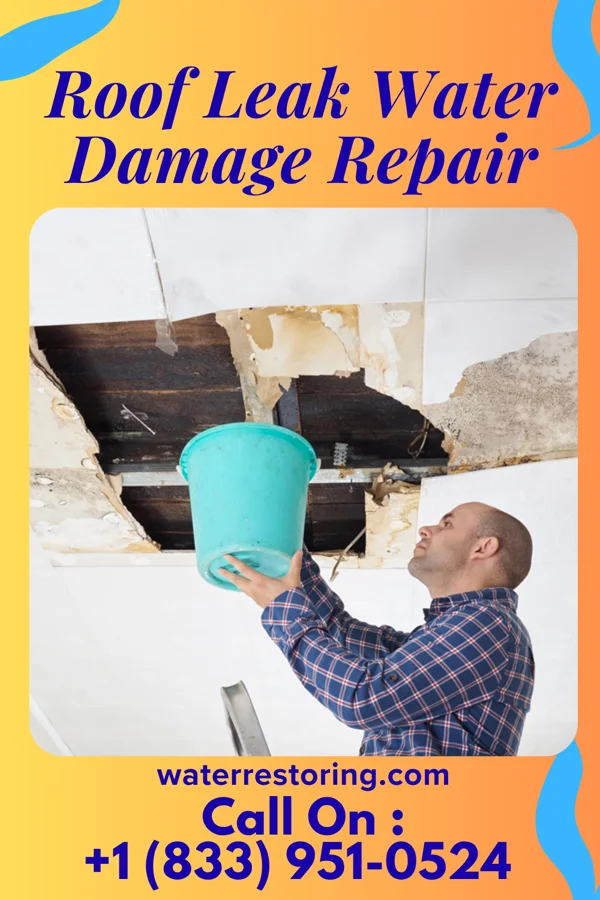
What Makes Cayuga Roof-Leak-Prone
Living in Cayuga means dealing with Cayuga experiences frequent spring and summer thunderstorms, which can lead to sudden heavy rainfall and flash flooding. These storms often result in roof leaks, especially in older homes with asphalt shingle roofs. The high humidity levels in the summer months also contribute to moisture buildup, increasing the risk of water damage. sooner or later. A close second is Winter storms in Cayuga can bring ice and snow accumulation, leading to ice dams that cause water to back up under shingles. This is particularly common in areas with poor attic insulation. Additionally, strong winds during severe weather can damage roofing materials, creating entry points for water.. The good news: water damage is fully recoverable when you catch it fast and bring in certified technicians.
The climate in Cayuga, with its mix of heavy rainfall, high humidity, and occasional severe weather, creates an environment where roof leaks and water damage are frequent issues. Homes in rural areas, especially those with older or poorly maintained roofs, are particularly vulnerable to these conditions.
Most roof leak water damage repair calls in Cayuga come from Cayuga experiences frequent spring and summer thunderstorms, which can lead to sudden heavy rainfall and flash flooding. These storms often result in roof leaks, especially in older homes with asphalt shingle roofs. The high humidity levels in the summer months also contribute to moisture buildup, increasing the risk of water damage.. Running a close second is Winter storms in Cayuga can bring ice and snow accumulation, leading to ice dams that cause water to back up under shingles. This is particularly common in areas with poor attic insulation. Additionally, strong winds during severe weather can damage roofing materials, creating entry points for water.. Local mold risk: Mold can develop within 48 hours of water exposure in Cayuga due to the high humidity levels. This poses a significant health risk, especially for residents with allergies or respiratory conditions. Secondary damage, such as wood rot and drywall deterioration, is also common in homes with prolonged water exposure.
For public guidance on the health effects of mold after prolonged water exposure, see the EPA mold and health page.